
x
x


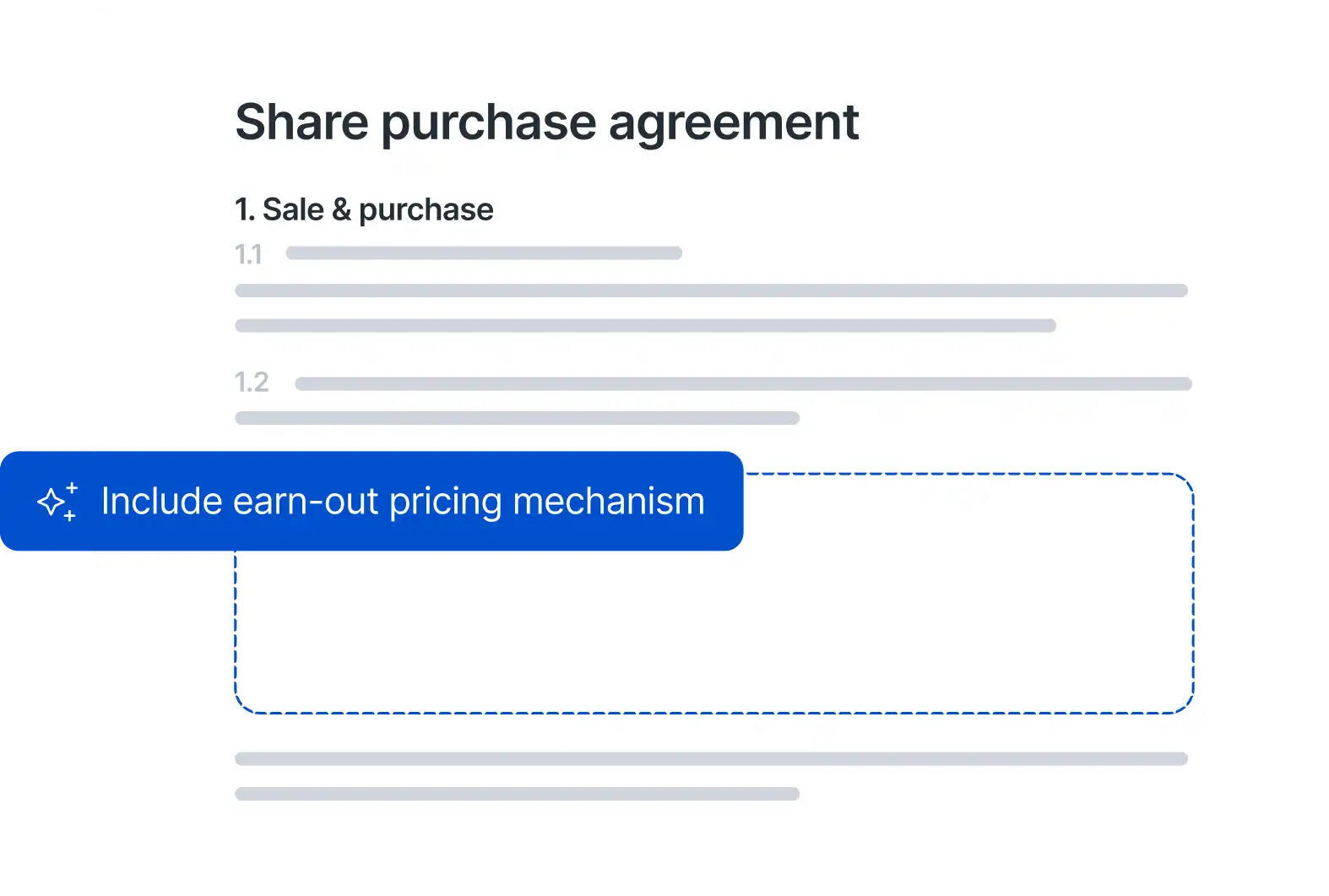
You can, but what Claude generates is a starting point, not a standard. Every output varies depending on your prompt, which means defined terms drift, formatting shifts, and cross-references slip. With LawVu Draft, you build your template once and every contract generated from it comes out exactly as defined, down to the last comma. No checking, no rework.
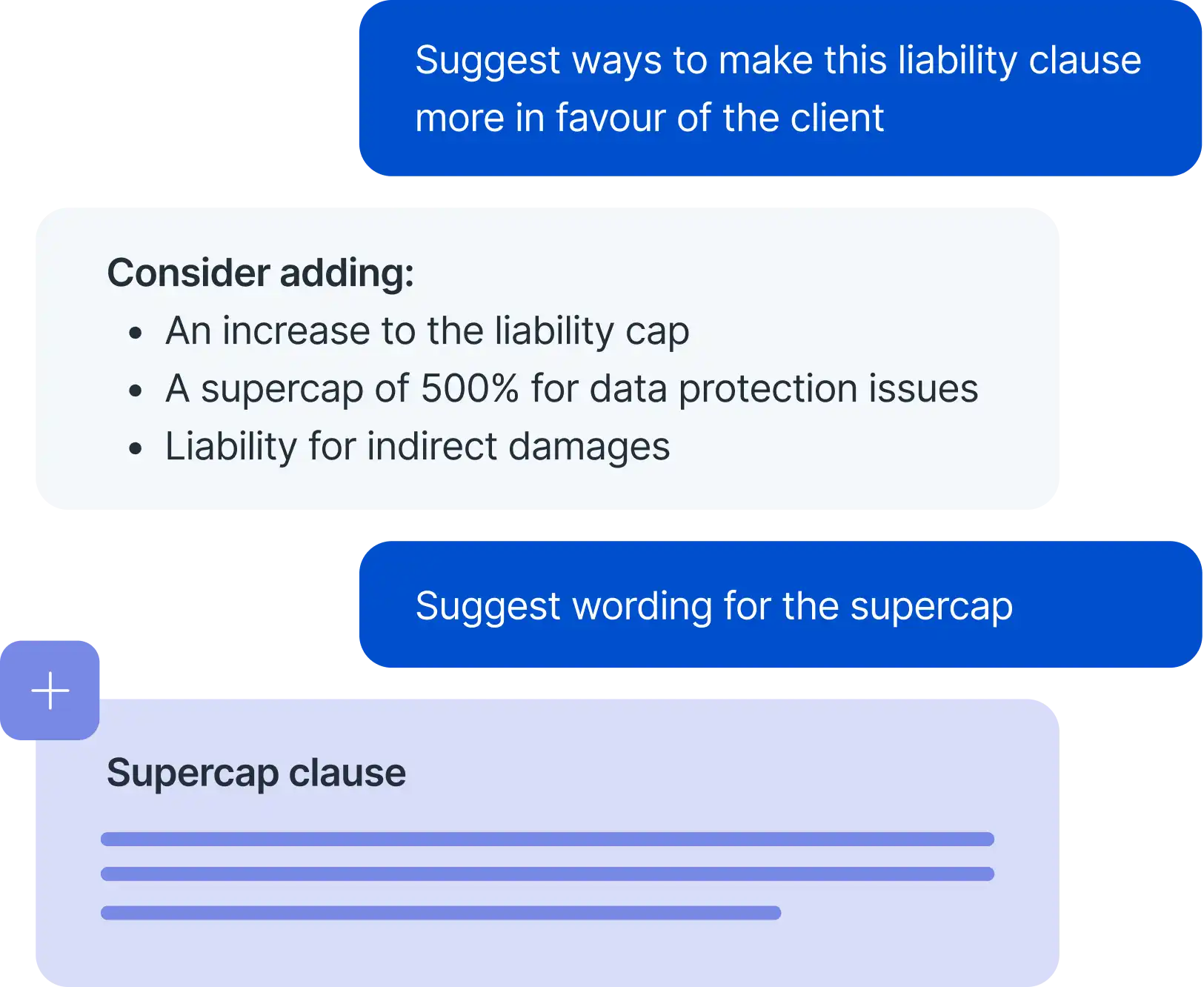
Claude is more open-ended, but without consistency this creates its own problems. For the tasks that matter most, such as generating a contract, comparing two versions, and proofreading for errors, you need precision.
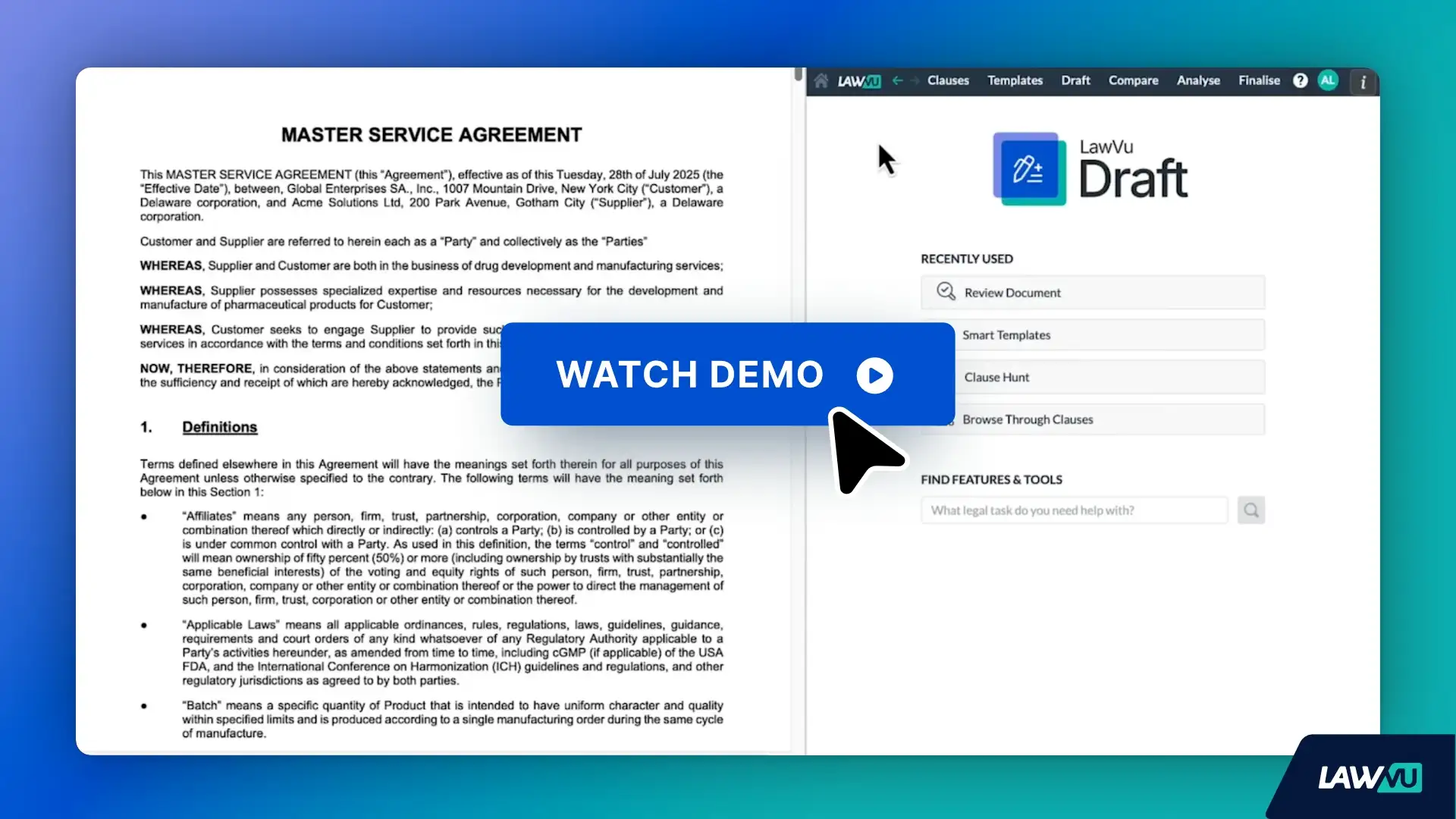
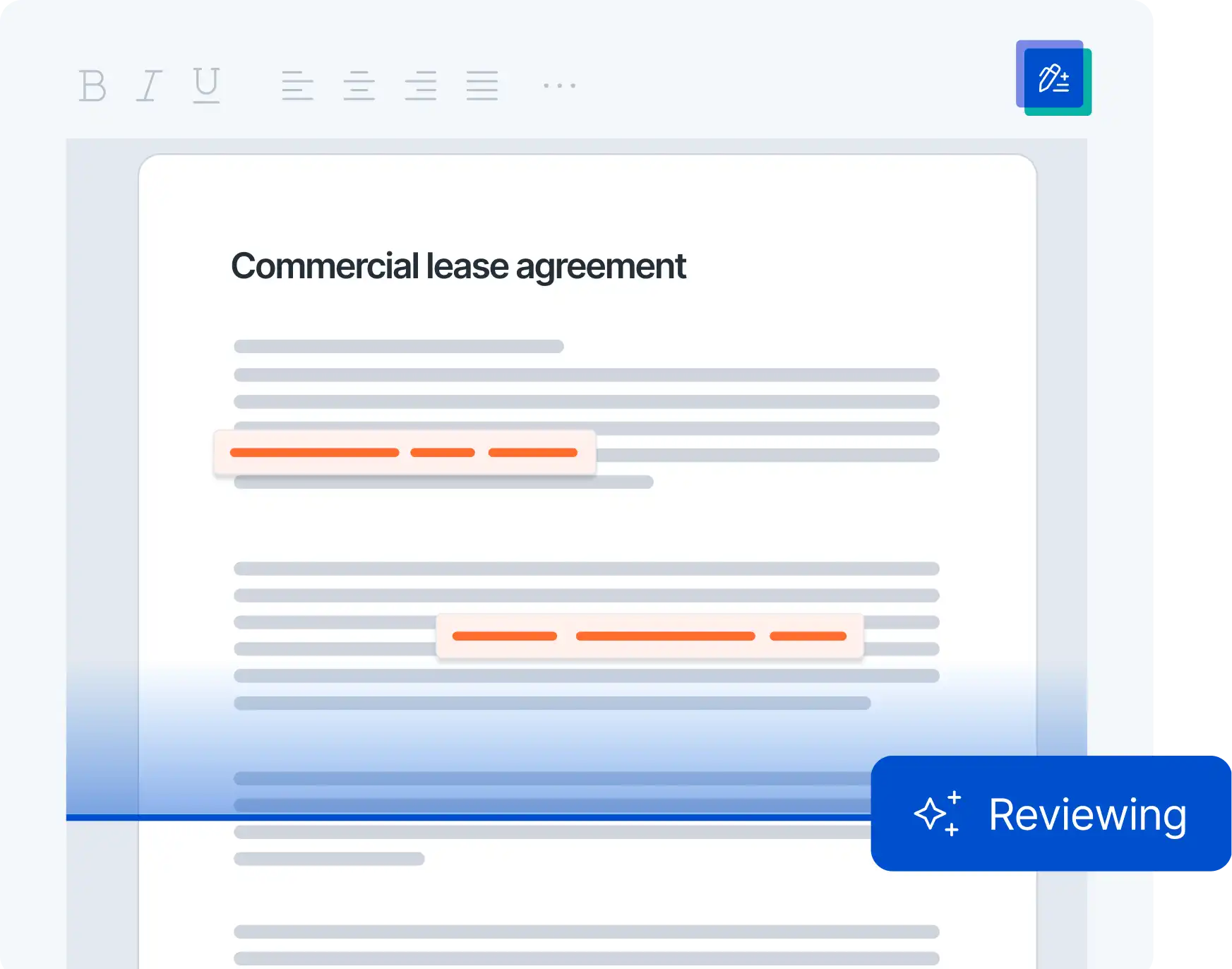
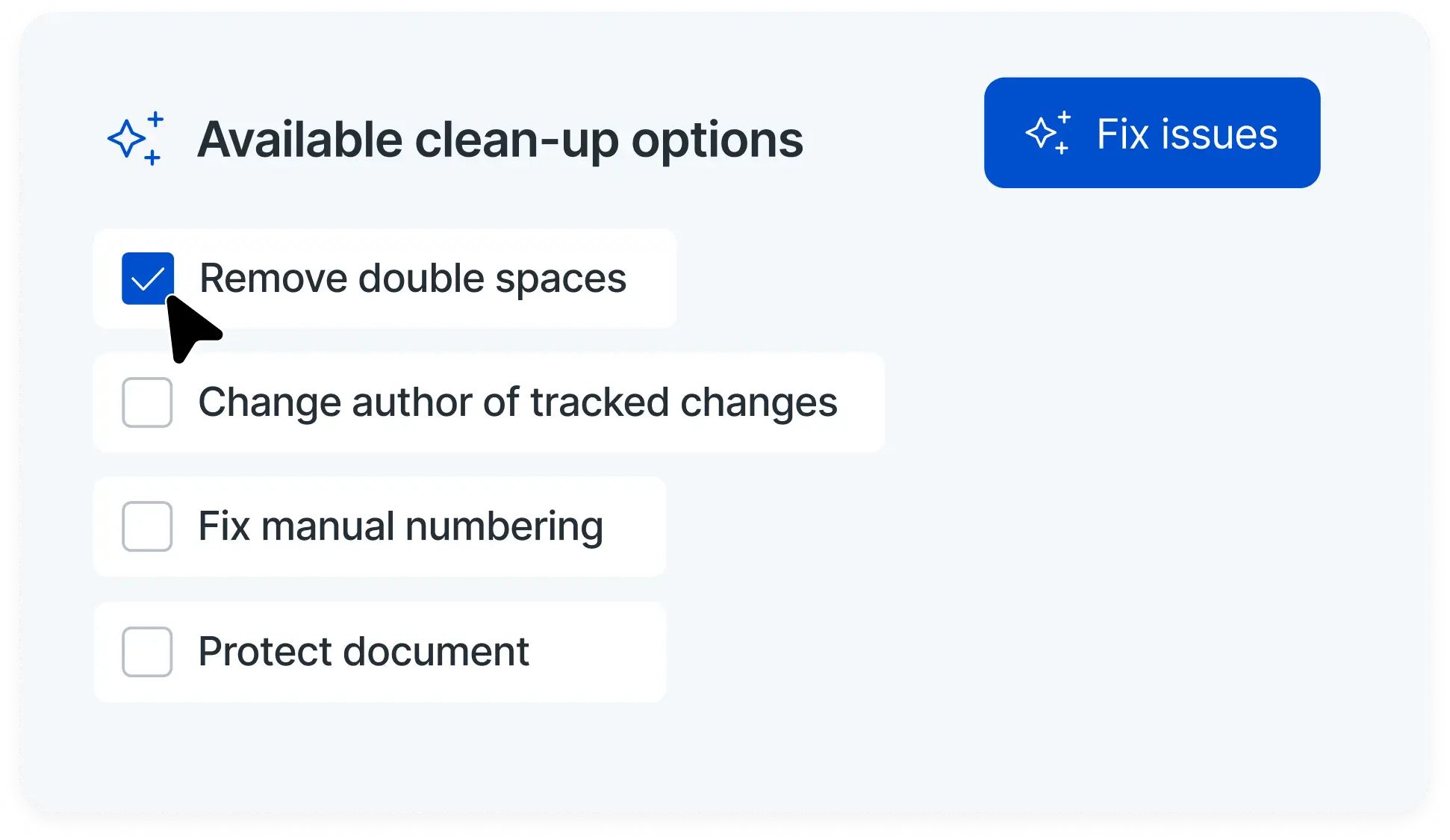
A full contract in a few clicks, a comparison in seconds, a proofreading scan in under 10. Add AI that's grounded in your own templates and institutional knowledge, and you have a platform built to move fast without cutting corners.
AI tools are all about creativity and understanding. Precision tools focus on precision and reliability and therefore produce the same answer, every time. For drafting and reviewing contracts, you need both types of tools – AI for understanding and generating language, precision for assembly, formatting, and comparison. Using AI for everything means accepting variability where legal demands certainty.
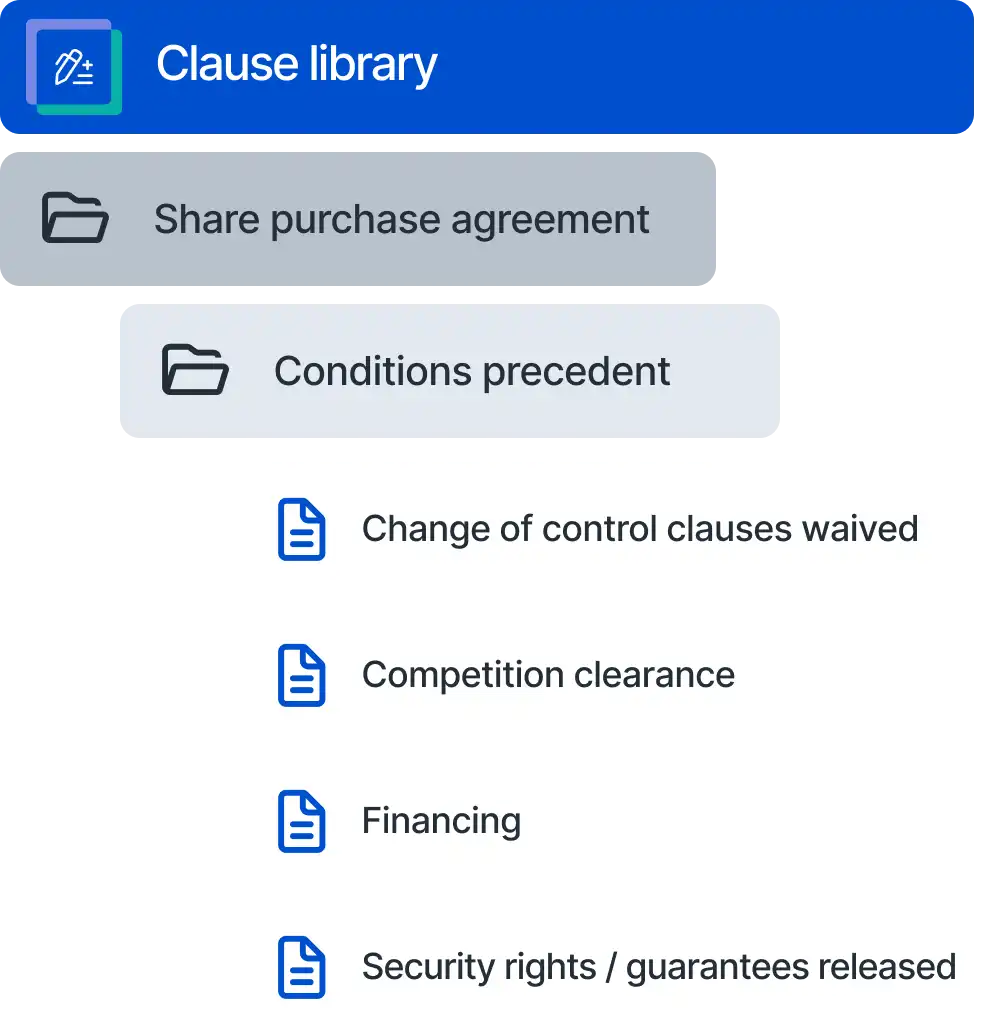
Your templates, fallback positions, and negotiation standards are configured into the platform once and can be enforced from that point on across every draft, every redline, and every lawyer. Your institutional knowledge becomes part of the system, not something that walks out the door when a senior lawyer leaves.